Biohazard Cleanup
Safe, careful removal of bodily fluids and other infectious material, finished with hospital-grade disinfection.
Learn more →Ohio · Hamilton County
Dealing with a death, a crime scene or a sewage backup in Sharonville, OH? Get the biohazard cleaning done, from blood and bodily fluid removal to odor treatment and full disinfection. Call (877) 812-4220 at any hour.
If anyone is in danger, call 911 first. For a suicide crisis, call or text 988.
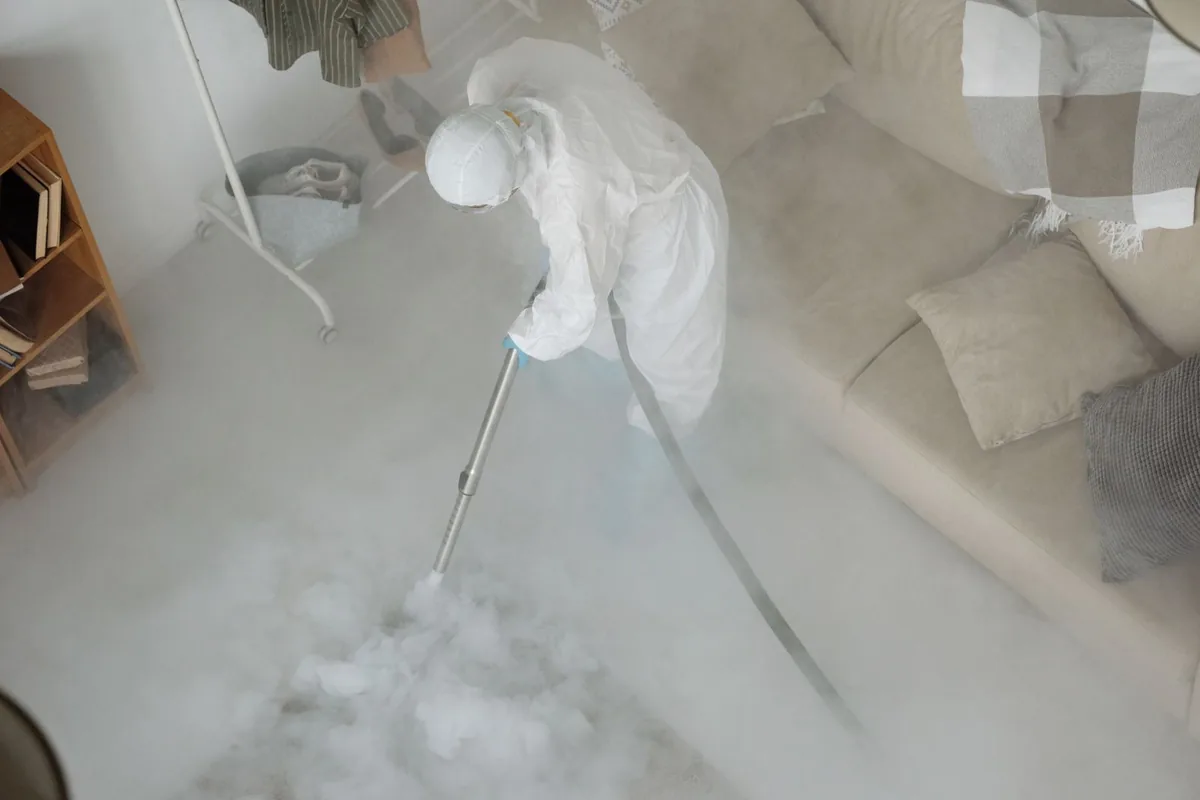
When a death, an assault or a sudden illness leaves blood or bodily fluids behind, ordinary cleaning is not enough. Biohazard cleaning services in Sharonville remove the contamination itself, not just the stain, and you can call Sharonville Biohazard Cleanup Help to get started.
Families are never asked to see or touch anything. The affected area gets cleaned from start to finish, then the result is checked before the property is handed back. This work is available around the clock in Sharonville, OH and across Hamilton County.
The census figure for older adults living alone in Sharonville is 49%, above the Ohio average. When someone lives alone, a death can go unnoticed for days, and unattended death cleanup follows. Annual rainfall in Sharonville averages about 41 inches. Rain and humidity can drive mold, sewage backups and lingering odor, which is why cleanup includes drying and air treatment.
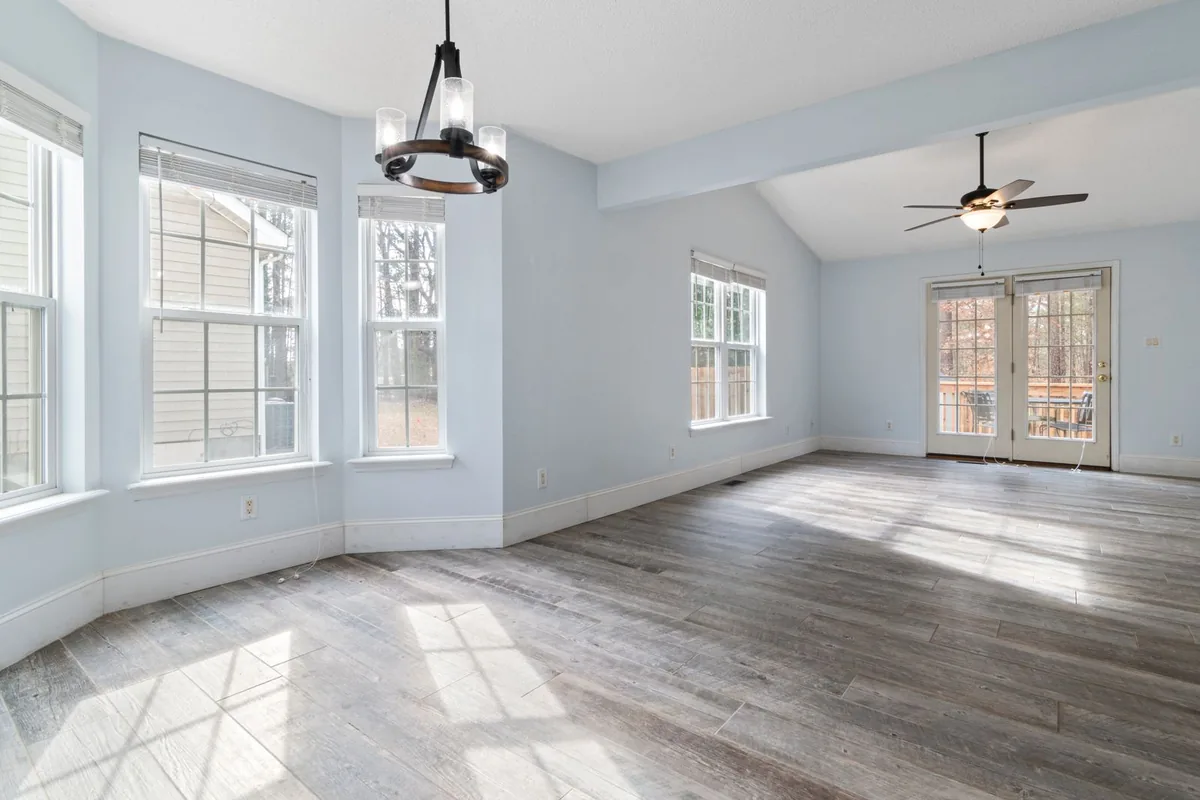
Biohazard remediation is more than wiping a surface. The cleanup team plans the work around OSHA's bloodborne pathogen rules (29 CFR 1910.1030), then uses PPE, containment and careful removal steps that keep exposure low for everyone nearby.
Odor is treated at its source, not covered up. HEPA filtration, hydroxyl generators and ozone treatment work on the air and on the surfaces, and ATP testing can show whether the cleaned area meets the standard before the property is released.
Looking for something specific? Each card below is a separate biohazard cleanup service for Sharonville, with its own page on process, safety and what to expect.
Safe, careful removal of bodily fluids and other infectious material, finished with hospital-grade disinfection.
Learn more →Crime scene cleaners handle contaminated carpet, drywall and debris, then check the work before handing the space back.
Learn more →Trauma cleaners remove blood, bodily fluids and odor after injuries, violent events and sudden emergencies.
Learn more →Respectful biohazard cleanup for homes and rentals after an unattended death.
Learn more →Professional suicide cleaning services that spare relatives and landlords from the hardest part.
Learn more →Murder scene cleanup for homes, rentals, businesses and vehicles, handled privately with protective gear.
Learn more →Blood in cars, vans and rideshare vehicles cleaned from seats, mats and panels, then disinfected.
Learn more →Bodily fluid clean up with protective gear, EPA-registered disinfectants and sealed disposal of contaminated materials.
Learn more →Human feces and urine cleanup in homes, rentals and workplaces, with disinfection and odor treatment.
Learn more →Thorough deodorizing after a death, with the air and structure checked room by room.
Learn more →Hoarding cleanup done at the resident's pace, with valuables and papers kept safe.
Learn more →Hoarder house cleanout that clears every room and leaves the property ready for its next step.
Learn more →Respectful animal hoarder cleanup for owners, landlords and families, done step by step.
Learn more →Squalor cleanup that removes filth, waste and spoiled food, then scrubs and disinfects every room.
Learn more →Sewer backup cleaning for toilets, drains, basements and crawl spaces in homes and businesses.
Learn more →Biohazard decontamination after outbreaks, with protective gear, set order of work and sealed disposal of waste.
Learn more →Detailed decontamination after blood, sewage, animal waste or infectious illness, using EPA-registered disinfectants.
Learn more →Local biohazard disposal services, from one sharps container to rooms of contaminated medical supplies.
Learn more →Needle and sharps cleanup: syringes found, collected with tools and disposed of in sealed containers.
Learn more →Safe removal of sharps and drug use items, with disinfection and odor treatment afterward.
Learn more →Drug lab decontamination with sampling before and after, once law enforcement releases the site.
Learn more →Decontamination for rentals, motels, offices and vehicles after drug incidents and responder visits.
Learn more →Toxic waste cleanup that identifies the substance, cleans affected surfaces and follows disposal rules.
Learn more →Cleanup that begins once responders clear the scene, with records for insurers, owners and inspectors.
Learn more →Pepper spray cleanup that lifts oily residue from surfaces without spreading it to clean rooms.
Learn more →Droppings cleanup in kitchens, garages, ductwork and storage rooms with protective gear and sealed disposal.
Learn more →Removal of insulation soaked with guano, plus odor treatment and sanitizing of the structure.
Learn more →Dead animal odor removal that targets the source of the smell, not just the air.
Learn more →Rideshare, rental and fleet vehicle decontamination handled quietly and returned ready to use.
Learn more →Injury scene cleaners remove soaked materials, treat odor and prepare records for employers and insurers.
Learn more →Discreet after-hours service with unmarked vehicles, sealed work areas and regulated waste hauling.
Learn more →Sorting, removal and cleaning of a loved one's home, with keepsakes set aside for the family.
Learn more →A technician looks for every source of contamination, including areas the eye misses, such as under flooring and inside vents. The type of biohazard sets the method.
A technician walks the space, notes where fluids reached and lists what can be cleaned and what must be removed. The plan and cost range are explained before work begins.
Crews in protective gear remove contaminated materials, clean every surface and disinfect with EPA-registered products. Waste is sealed and carried out as regulated medical waste.
Odor equipment finishes the air, the crew checks the whole area, and the owner is told what was done and what repairs may still be needed.
Local help in Sharonville, Cincinnati and nearby towns means crews know the area, local police and the way homes in the region are built.
One biohazard cleanup company covers removal, disinfection, odor removal and damaged materials, so the family can step back.
A cleanup specialist explains the steps, the likely cost range and what the property owner needs to do next, in everyday words.
Hoarded homes, neglected rentals and difficult situations are treated with dignity. The only goal is a safe, clean space again.
Biohazard cleanup in Sharonville, OH typically costs $500 to $25,000, depending on the type of biohazard, the size of the affected area and how far fluids soaked into porous materials.
Most residential jobs cost $3,000 to $5,000 (Fixr). Costs for hoarding, sewage and drug residue differ from death cleanup because each involves different hazards, testing needs and disposal. A fair estimate always starts with an on-site look.
| Type of job | Typical range |
|---|---|
| Blood spill cleanup, small area | $500 - $2,500 |
| Crime scene cleanup, most homes | $1,500 - $7,500 |
| Unattended death cleanup | $2,000 - $7,000 |
| Suicide cleanup | $1,500 - $5,500 |
| Sewage cleanup, most homes | $2,000 - $10,000 |
| Hoarding cleanup, level 3 home | $2,000 - $5,000 |
| Meth lab cleanup, typical | $15,000 - $20,000 |
Estimates only, not a quote. Sources: Fixr, Yelp Costs, BioCleaners Directory, PushLeads, Dropcurb, Bob Vila and cleanup company cost guides. Call (877) 812-4220 to talk through the job.
Falls, power tool injuries, farm and industrial accidents and car crashes can leave blood and tissue behind. Accident scene cleanup removes the trace so the space can be used again.
Cars, trucks and work vehicles can carry biohazards after an accident, assault or medical event. Vehicle cleanup removes contaminated upholstery and disinfects every surface and vent.
Attics, barns and sheds can hold droppings, guano and carcasses that carry disease. Careful removal and disinfection protect the people who go back in.
Hoarder homes can hide rotting food, animal waste, mold and pests, along with fire and structural hazards. Hoarding cleanup sorts belongings and restores a livable condition.
When a death goes unnoticed for days, decomposition fluids reach flooring and subfloor and the odor spreads. Death cleanup removes the affected materials and treats the odor at the source.
Offices, shops, churches and other public spaces may need cleanup after an injury, illness outbreak or break-in. The work is planned around staff, customers and reopening dates.
Before any cleanup starts, the crew asks two questions: what is it, and how much of the property does it touch? The answers shape the safety plan, the equipment and the overall cost.
Describe what happened, where it is, how big the area is and whether police have released the scene. Mention any insurance claim, pets, valuables or access issues. The more detail you share, the clearer the plan and cost range can be.
Biohazard cleanup is the removal, cleaning and disinfection of anything that can spread disease: blood, bodily fluids, tissue, decomposition, human and animal waste, raw sewage, sharps and drug residue. It covers crime scene cleanup, unattended death cleanup, trauma scene cleanup, suicide cleanup, hoarding cleanup and infectious disease disinfection.
The cost depends on the type of contamination, the size of the area, how many porous materials must be removed, odor treatment and waste disposal. A small spill costs far less than an unattended death or a hoarded home. The cleanup team explains the cost range after hearing the details.
Often, yes. Many homeowners and renters insurance policies cover biohazard cleaning after a sudden event such as a death, crime or accident, after the deductible. Hoarding and gradual damage are often excluded. The cleanup work is documented with photos and notes for the insurance company.
Yes. Raw sewage is treated as Category 3 water because it can carry bacteria such as E. coli, viruses and parasites. Porous materials it touches usually must be removed, and the rest is cleaned and disinfected.
Yes. Dried blood can still carry bloodborne pathogens. The CDC notes hepatitis B can survive on surfaces for at least seven days, and scraping dried blood releases particles. It should be handled with PPE and disinfected.
Tell the landlord and the renters insurer right away. With renters in about 43% of homes in Sharonville, many rentals have a process for this. The building is usually the owner's job, and belongings may fall under the tenant's policy.
The census figure for older adults living alone in Sharonville is 49%, above the Ohio average. When someone lives alone, a death can go unnoticed for days, and that leads to unattended death cleanup.
Crews also work near Sharonville, in places such as Evendale, Blue Ash and Cincinnati. Biohazard cleanup, crime scene cleaning and death cleanup are available across Hamilton County.
No judgment and no pressure, just a clear plan for the property.
Call (877) 812-4220